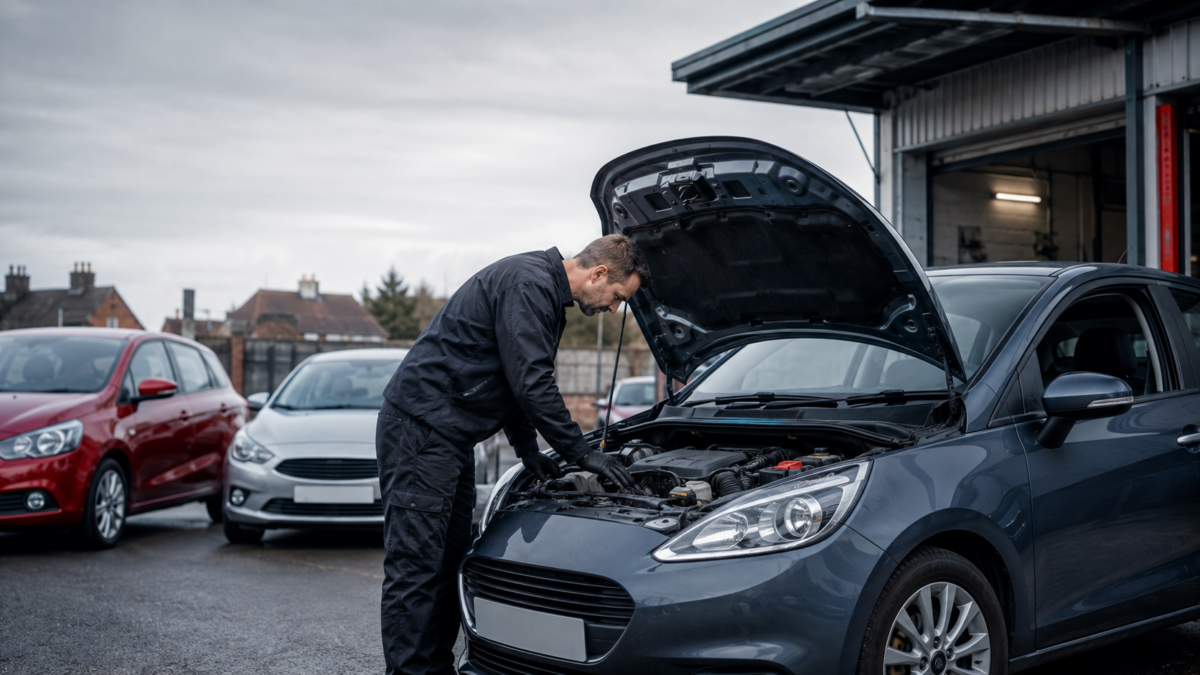
Used Models with Engine Problems to Watch
Buying a used car in 2026? Reliability should sit near the top of your checklist. A tempting price, smart interior and clean MOT history can quickly lose their appeal if the engine develops a serious fault. Timing-chain failure, deteriorating wet belts, excessive oil consumption and blocked oilways can all turn an affordable purchase into a four-figure repair.
This guide highlights used cars and engine families that UK buyers should approach with extra care. It is not a claim that every example will fail. Age, mileage, servicing, oil specification and previous repairs make an enormous difference. It is also not a definitive league table: current reliability surveys measure whole-car faults, whereas this article focuses specifically on recurring engine risks that matter in the used market.
1. Peugeot 208 and 2008 with the 1.2 PureTech engine
The Peugeot 208 and 2008 are stylish, economical and widely available, but older versions fitted with the 1.2-litre PureTech petrol engine demand close inspection. The best-known concern is the “wet” timing belt, which runs inside the engine oil. On affected engines, the belt can deteriorate and shed material. Debris may restrict the oil pickup, reduce oil pressure and, in severe cases, damage the engine.
Excessive oil consumption has also been reported on previous generations. The issue is significant enough that Stellantis extended support for eligible earlier 1.0- and 1.2-litre PureTech engines, subject to conditions. Before buying, check the exact engine, the belt inspection and replacement history, evidence of correct-specification oil, and whether any manufacturer support applies. A vague service book is not enough; ask for itemised invoices.
2. Citroën C3 and C4 Cactus with the 1.2 PureTech
Citroën used the same PureTech engine family across popular models including the C3 and C4 Cactus, so the precautions are similar. These cars can represent good value, but an attractive asking price should not distract from the condition of the timing belt and lubrication system. Warning signs may include an oil-pressure message, unusual engine noise, increased oil use, poor running or a belt that looks swollen or cracked through the oil-filler opening.
Do not rely on a quick visual check alone. A specialist should confirm the correct belt procedure, examine the oil pickup where appropriate and scan the car for stored fault codes. If deterioration has already affected oil circulation, simply installing a new belt may not address all the damage. For help understanding repair options, see Reman Engines’ overview of engine repair, reconditioning and rebuild services.
3. Ford Fiesta and Focus with the 1.0 EcoBoost
Ford’s 1.0 EcoBoost delivered impressive performance and economy from a small three-cylinder engine, and many examples have covered high mileages. However, earlier wet-belt versions have acquired a poor reputation when servicing has been missed, the wrong oil has been used or belt material has contaminated the lubrication system. Loss of oil pressure can damage the turbocharger and internal engine components, potentially leading to major failure.
When viewing a Fiesta or Focus, establish whether the engine uses a wet belt, when it was replaced and who completed the work. Look for invoices showing the oil specification and annual servicing, not just stamps. Any oil-pressure warning, tapping, rattling or unexplained turbo noise deserves immediate investigation. Ford recall and service actions are VIN-specific, so use Ford’s official recall checker rather than assuming all cars are included. Reman Engines also identifies wet-belt work among its UK specialist engine services.
4. Vauxhall Corsa and Crossland with 1.2 petrol engines
Later Vauxhall Corsa and Crossland models share Stellantis engine technology, including versions of the 1.2-litre petrol unit associated with premature timing-belt degradation and excessive oil consumption. That does not make every Corsa or Crossland unreliable, but it does make engine identification essential. A chain-driven newer version should not be confused with an earlier wet-belt unit, while maintenance requirements can differ by model year.
Vauxhall’s published customer-support information confirms extended coverage for eligible previous-generation PureTech 1.0 and 1.2 engines, with conditions attached. Check the VIN, complete service record and eligibility before agreeing to buy. If a seller says the belt has been “looked at,” ask for the inspection measurement and written evidence. Buyers comparing dependable stock can also start from the Fayrewood Car Sales homepage.
5. Range Rover Evoque, Discovery Sport and Discovery diesels
Land Rover’s premium SUVs remain highly desirable, yet reliability data repeatedly places several models towards the riskier end of the UK used-car market. Warrantywise’s 2026 index puts the Land Rover Discovery first on its lower-reliability list, although its most frequent repair requests are electrical rather than engine-related. For engine-focused buyers, certain 2.0-litre Ingenium diesels warrant particular caution because specialists and owners report timing-chain wear, oil dilution, turbo trouble and, in worst cases, extensive engine damage.
Short journeys can be especially unhelpful to modern diesels because interrupted diesel-particulate-filter regeneration may contribute to fuel contamination of the oil. Check for timing-chain noise on a cold start, rising oil level, smoke, warning lamps and evidence of frequent correct-specification oil changes. An inexpensive Evoque without a detailed history can become extremely expensive. Commission an independent inspection and budget realistically before buying.
6. Jaguar XE and F-Pace with the 2.0 Ingenium diesel
The Jaguar XE and F-Pace can be rewarding to drive and look excellent for the money, but they share the 2.0-litre Ingenium diesel concerns found in related Land Rover products. Timing-chain rattle, lubrication problems, turbo failure and DPF-related oil dilution are the key risks to investigate. Repair access and parts costs can make a neglected example particularly painful to own.
Start the engine from completely cold, listen carefully and make sure no warning lights have been cleared just before the viewing. Review oil-change intervals rather than accepting “full history” at face value. Cars used mainly for repeated short urban trips deserve extra scrutiny. If a serious fault has already occurred, compare the scope and warranty of the proposed work; Reman Engines publishes indicative information on engine rebuild pricing and quotations.
How to reduce your risk when buying a used car
No badge or model name tells the whole story. Two apparently identical cars can present very different risks depending on engine version and maintenance. Before paying a deposit:
- Confirm the exact engine code and whether it uses a wet belt or timing chain.
- Demand invoices showing service dates, mileage and the oil specification used.
- Inspect the car from cold and investigate rattles, smoke, warning lights and oil-pressure messages.
- Run a vehicle-history check and verify outstanding recalls with the manufacturer.
- Pay for an independent pre-purchase inspection by a suitably qualified specialist.
- Check warranty exclusions carefully; “engine cover” may not cover wear, contamination or pre-existing faults.
If an engine has already failed, obtain a written diagnosis before authorising major work. Ask whether the quotation covers removal, machining, replacement components, installation, fluids, VAT and warranty. You can contact Reman Engines for an engine-repair quotation, but compare the total cost against the vehicle’s value.
Final verdict
The riskiest used cars are not always the ones with the worst reputation; they are the ones bought without enough evidence. PureTech and EcoBoost wet-belt engines require verifiable belt and oil maintenance. Ingenium diesels need careful scrutiny of their chain, lubrication, turbo and DPF history. Older BMW N47 diesels should come with convincing timing-chain documentation.
None should be rejected automatically, but a missing invoice or unexplained noise should change the price—or end the deal. Verify the engine and favour cars with transparent histories. To begin your search, visit Fayrewood Car Sales.